
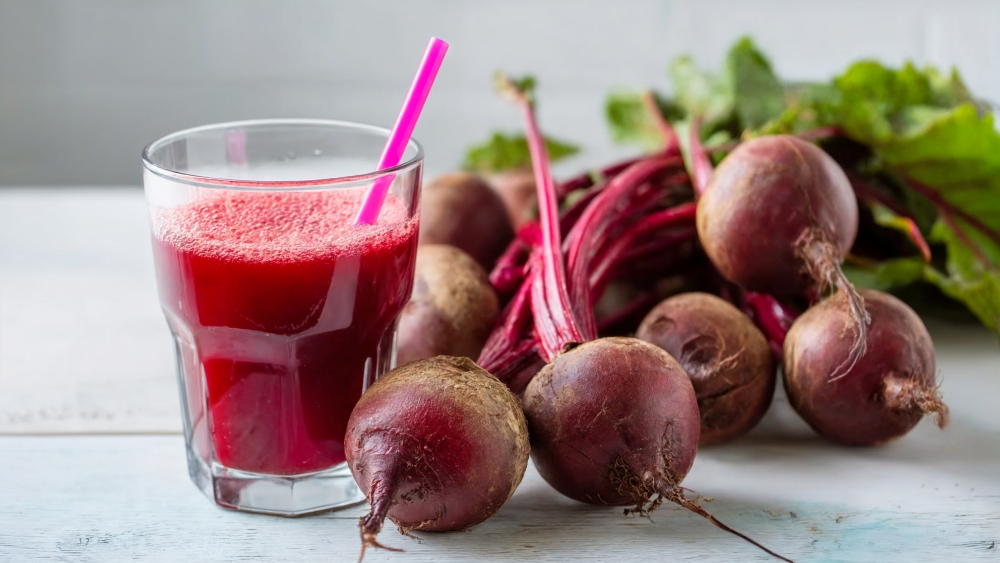
If managing your blood pressure is a priority, beets deserve a spot on your plate. This vibrant root vegetable is naturally rich in compounds that support healthy circulation and heart function. When prepared correctly, beets fit perfectly into a DASH-style eating plan and can play a helpful role in maintaining balanced blood pressure levels.
Below are seven nourishing and practical ways to include beets in your daily routine.
1. Beet Juice
Juicing beets is one of the most effective ways to benefit from their natural blood-pressure-supporting compounds. Juicing concentrates these nutrients, making them easier for the body to absorb.
Drinking about one cup per day, preferably on an empty stomach, allows your body to use these compounds more efficiently. Many people notice improved circulation and energy when beet juice becomes a regular habit.
How Beets Support Blood Pressure
Beets work in several ways to support cardiovascular health:
- The body converts natural compounds in beets into nitric oxide, which helps blood vessels relax and improves blood flow.
- Beets can help counteract the effects of excess sodium in the diet.
- Their antioxidant content supports overall heart and vascular health.
Research suggests these benefits may be more noticeable in systolic blood pressure (the top number) and may affect men slightly more than women.
2. Raw Beets
Eating beets raw helps preserve their natural nutrients. They can be grated or sliced thin and added to salads for a crunchy, earthy bite.
A DASH-friendly option is pairing raw beets with leafy greens, nuts, and a lean protein. If the taste is too strong, add citrus fruits like orange or lemon to balance the flavor.
Raw beets also support oxygen use in the body, which may improve stamina and physical performance—another plus for heart health.
3. Cooked Beets
Roasting, baking, or steaming beets enhances their natural sweetness while still delivering valuable nutrients. To retain as much goodness as possible, avoid overcooking. Steaming is often the best option.
Keeping the skins on during cooking and adding a splash of lemon juice or vinegar afterward can help preserve nutrients. Skip the salt, as excess sodium can raise blood pressure.
Are There Any Risks?
While beets are generally safe, it’s wise to speak with a healthcare professional if you are on blood pressure medication. In some people, beets may:
- Increase the risk of kidney stones
- Trigger gout flare-ups
- Cause digestive discomfort when eaten in large amounts
- Turn urine or stool reddish (this is harmless)
Beets can also stain clothing and surfaces, so handle them with care.
4. Borscht (Beet Soup)
Borscht is a traditional beet-based soup that can easily be adapted for a heart-healthy lifestyle. Combine beets with vegetables like cabbage, carrots, zucchini, or sweet potatoes.
Use water or low-sodium stock as the base and avoid adding salt. This warming dish is both nourishing and satisfying.
5. Dried Beets
Dried beet slices make a crunchy, nutritious snack. You can buy them ready-made or prepare your own by slicing blanched beets thinly and drying them slowly in a low-temperature oven until crisp.
Enjoy them as chips or crumble them over salads, grain bowls, or low-fat yogurt for added texture and color.
6. Pickled Beets
Pickled beets offer a sweet-and-tangy flavor that pairs well with many meals. Since pickling often involves salt, choose low-sodium options or make your own using a reduced-salt recipe.
Serve pickled beets as a side, add them to whole-grain sandwiches with lean protein, or toss them into salads with citrus and nuts for a fresh, balanced dish.
7. Beet Powder and Supplements
Beet powder can be mixed into smoothies with yogurt, plant-based milk, fruit, and seeds like chia or flax. This makes for a convenient option when fresh beets aren’t available.
However, not all supplements are equal. The nutrient content can vary widely, and some products may not provide the same benefits as whole beets. Whenever possible, choose real food first.
Final Thoughts
Beets are a colourful, versatile, and heart-friendly addition to a balanced diet. Whether juiced, roasted, raw, or blended, they offer a natural way to support healthy blood pressure when enjoyed as part of an overall nutritious lifestyle.
Add a splash of red to your meals—and let your heart reap the benefits.