
Depression is more than just feeling down—it can affect your energy, motivation, sleep, and overall wellbeing. While therapy and medication remain the foundation of treatment, your daily nutrition can play a meaningful supporting role in how you feel.
The good news? Small changes to your diet can help nourish your brain, support mood balance, and improve overall mental wellness.
Why Nutrition Matters for Mental Health
Your brain relies on a steady supply of nutrients to function optimally. Diets rich in vitamins, minerals, healthy fats, and antioxidants can help reduce inflammation, support neurotransmitter production, and stabilise mood.
While no single food can cure depression, consistently choosing nutrient-dense foods can make a noticeable difference over time.
Mood-Boosting Foods to Add to Your Diet
Here are some of the top foods known to support mental wellbeing:
Leafy Greens
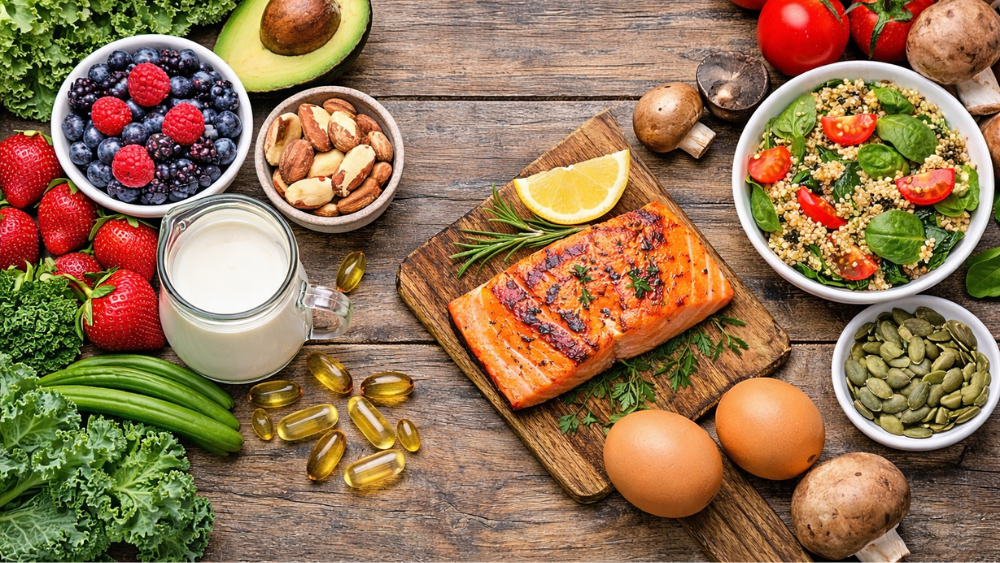
Spinach, kale, and other greens are packed with magnesium and folate—nutrients linked to improved mood and reduced depressive symptoms.
Berries
Blueberries, strawberries, and raspberries are rich in antioxidants that help protect brain cells and may support emotional balance.
Fatty Fish (Salmon)
Salmon is loaded with omega-3 fatty acids and vitamin D—both essential for brain health and mood regulation.
Nuts & Seeds
Walnuts and Brazil nuts provide omega-3s, magnesium, and selenium, which are associated with reduced inflammation and improved mental health.
Tomatoes
These contain antioxidants and important nutrients like vitamin B6 and iron, which help the body produce mood-regulating chemicals.
Mushrooms
A great source of B vitamins and selenium—both important for supporting brain function.
Avocados
Rich in healthy fats and folate, avocados help nourish the brain and may contribute to emotional stability.
Turkey
Contains tryptophan, an amino acid your body uses to produce serotonin—the “feel-good” hormone.
Dairy (Milk & Yogurt)
Provides vitamin D, which has been linked to a lower risk of depression.
Hydration
Even mild dehydration can affect mood. Drinking enough water is a simple but powerful way to support mental clarity and emotional balance.
Research shows that a diet rich in whole, nutrient-dense foods can help reduce symptoms of depression and support overall brain health.
Key Vitamins & Nutrients That Support Mood
In addition to whole foods, certain vitamins play a direct role in mental health:
- Vitamin D – Supports mood regulation; low levels are often linked to depression
- B Vitamins (especially B6, B9/folate, B12) – Essential for brain function and serotonin production
- Omega-3 Fatty Acids – Help reduce inflammation and support cognitive health
- Magnesium – Known as the “calming mineral,” helps regulate stress and mood
- Zinc – Supports brain signalling and emotional regulation
- Iron – Low levels can lead to fatigue and low mood
If your diet is lacking, supplements may help—but always consult a healthcare professional first.
Foods to Limit or Avoid
Just as some foods support your mood, others can work against it:
Highly Processed Foods
Often low in nutrients and high in additives, these can negatively impact brain health.
Refined Sugar
Frequent sugar spikes and crashes can lead to mood swings, fatigue, and irritability.
Junk Food
High in unhealthy fats and low in nutritional value—linked to increased depression risk.
Alcohol
Although it may feel relaxing initially, alcohol is a depressant and can worsen symptoms over time.
The Bigger Picture
Healthy eating is not about perfection—it’s about consistency.
A balanced diet that includes:
✔ Fresh vegetables
✔ Whole grains
✔ Healthy fats
✔ Lean proteins
…can support both your physical and mental wellbeing.
Think of food as part of your overall self-care routine—alongside sleep, movement, connection, and professional support when needed.
Final Thoughts
There’s no quick fix for depression, but nourishing your body is one of the simplest and most powerful ways to support your mind.
Start small—add a handful of berries to your breakfast, include leafy greens in your meals, or enjoy salmon twice a week. Over time, these habits can help you feel more energised, balanced, and supported from the inside out.