
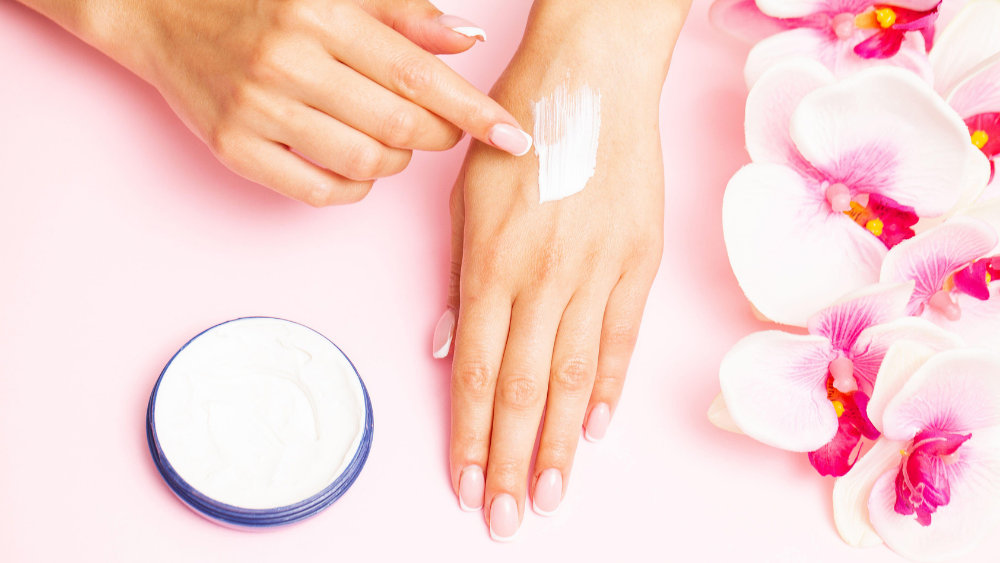
Moisturising 101: How to Keep Your Skin Soft, Smooth & Healthy
Body moisturisers are a must-have in any skincare routine if you want healthy-looking, comfortable skin. They help hydrate the skin, lock in moisture, and support the skin’s natural protective barrier. While most people are diligent about applying face cream, body moisturising is often overlooked—and that’s a step your skin definitely notices.
To help you get the most out of your routine, we’ve put together a simple guide to body moisturising, including when to moisturise, how often to do it, and how to choose the right product for your skin type. Plus, we’re sharing five essential tips to help you moisturise like a pro.
Overview
Skincare experts agree that consistent body moisturising plays a key role in maintaining soft, smooth, and resilient skin. A good moisturising routine can help reduce dryness, calm irritation, and improve overall skin texture. Whether your skin is dry, sensitive, rough, or simply in need of everyday care, choosing the right body moisturiser can make a noticeable difference.
Below, we break down best practices for body moisturising and show you how to tailor your routine to your skin’s needs.
5 Tips to Moisturise Like a Pro
- Use a moisturiser with ceramides
- Choose the right texture for your skin type
- Moisturise every day
- Apply moisturiser to clean, damp skin
- Don’t forget your face and body
1. Choose a Moisturiser with Ceramides
Ceramides are naturally found in the skin and play an important role in keeping the skin barrier strong and healthy. When ceramide levels drop, skin can become dry, tight, or irritated. Using a moisturiser that contains ceramides helps replenish lost moisture, supports the skin barrier, and reduces ongoing water loss. This gives dry or compromised skin the chance to recover and stay hydrated for longer.
2. Pick the Right Texture for Your Skin Type
Body moisturisers are not one-size-fits-all. They come in different textures, each designed to suit specific skin needs, climates, and concerns. When choosing a moisturiser, consider how dry your skin is, the time of year, and any specific issues you want to address.
Here’s a quick breakdown to help you decide:
Lotions
Lotions have a lighter texture and higher water content, making them easy to absorb. They’re ideal for normal to slightly dry skin and work well for daily use, especially in warmer weather.
Creams
Creams are thicker and richer than lotions. They’re well-suited for dry or mature skin and are especially helpful during colder months when skin tends to lose moisture more easily.
Ointments
Ointments have the richest texture and are designed to protect very dry, cracked, or compromised skin. Rather than absorbing fully, they form a protective layer on the skin to seal in moisture and prevent further dryness.
3. Make Moisturising a Daily Habit
Consistency is key when it comes to skincare. Moisturising should be part of your daily routine—just like brushing your teeth. Applying body moisturiser once or twice a day helps keep skin hydrated, comfortable, and protected from dryness.
Daily moisturising is especially important when travelling or spending time in different climates, as changes in temperature and humidity can affect the skin barrier.
4. Apply Moisturiser to Clean, Damp Skin
One of the best times to moisturise is right after bathing. Applying moisturiser to clean, slightly damp skin helps trap moisture and improves hydration. This simple step can make your moisturiser work more effectively.
It’s also important to be mindful of bathing habits. Long, hot showers can strip the skin of its natural oils, leading to dryness and irritation. Opt for lukewarm water and shorter showers whenever possible.
5. Moisturise Your Face and Body
Your skincare routine shouldn’t stop at your neck. While facial skin often gets the most attention, the rest of your body needs just as much care. Moisturising from head to toe helps keep skin looking healthy and feeling comfortable all over.
Pay extra attention to areas that tend to dry out more quickly, such as hands, feet, elbows, and knees. Regular moisturising in these areas can help prevent roughness and cracking.
Final Thoughts
Body moisturising doesn’t have to be complicated. With the right products and a consistent routine, you can keep your skin hydrated, smooth, and protected every day. A few simple habits go a long way in supporting healthy-looking skin—now and in the long run.