
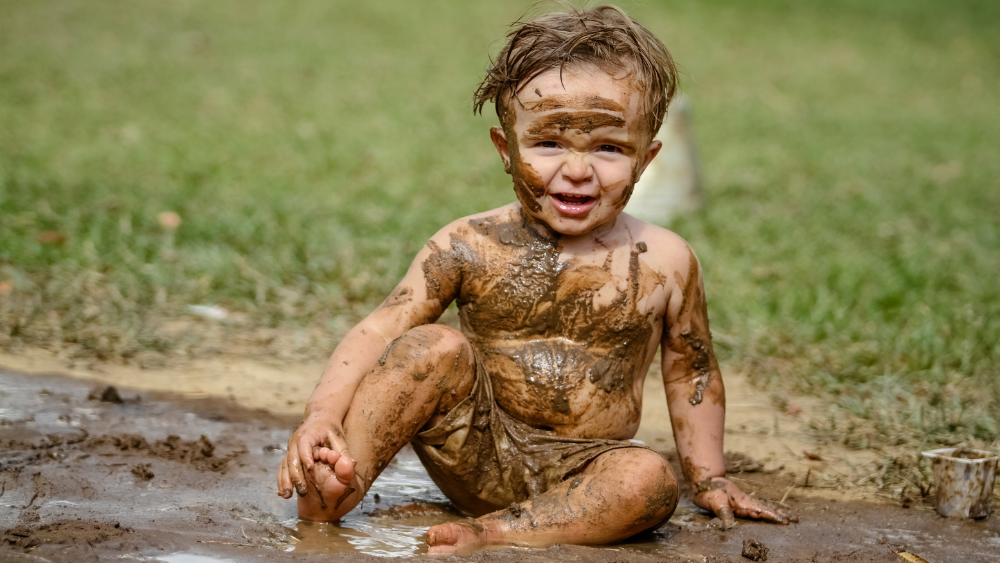
For many families, the instinct is to clean little hands the moment children come in from outside. While hygiene is important, growing evidence suggests that allowing kids to get a bit messy can actually support their health and development. Outdoor play in dirt and mud isn’t just fun—it plays a meaningful role in childhood growth.
Here’s why embracing a little mess can be a good thing.
Dirt and a Growing Immune System
Children today are often raised in very clean environments. However, limited exposure to everyday microbes may not always be ideal. Contact with the natural microorganisms found in soil, plants, and outdoor spaces helps the immune system learn how to respond appropriately.
Early exposure to common environmental microbes has been linked to a lower likelihood of developing allergies and asthma later in childhood. These natural encounters appear to help the body build balanced immune responses and may support protection against certain inflammatory conditions.
You may have heard of the “farm effect.” Kids who grow up in rural settings and spend time around animals and natural outdoor environments tend to experience fewer allergic conditions. This highlights how regular interaction with nature can positively influence immune development.
Mud Play Supports Happier, More Resilient Kids
The benefits of muddy play go far beyond physical health. Sensory-rich outdoor activities—like digging in the garden, jumping in puddles, or making mud creations—stimulate curiosity, creativity, and joy.
Unstructured play in nature also helps children:
- Build confidence and independence
- Develop problem-solving skills
- Practice cooperation and empathy during group play
- Better manage everyday stress
Interestingly, certain naturally occurring soil microbes have been studied for their potential mood-supporting effects. While more human research is still needed, early findings suggest that regular contact with natural environments may play a supportive role in emotional wellbeing.
Physical Development Gets a Boost
Outdoor muddy play is excellent for growing bodies. Activities such as climbing, digging, balancing, and running across uneven ground strengthen muscles and improve coordination.
These types of movement help develop:
- Gross motor skills: through running, jumping, and climbing
- Fine motor skills: through scooping, picking up small objects, and building with natural materials
- Hand-eye coordination: through hands-on exploration
Active outdoor play is also an important part of maintaining a healthy weight and supporting overall physical development in children.
Simple Tips to Keep Dirt Play Safe
While outdoor messiness is generally safe, a few practical precautions can help parents feel more comfortable:
- Encourage handwashing before meals and after play
- Avoid areas recently treated with chemicals or contaminated by pet waste
- Dress children in clothes meant for messy play
- Keep fingernails short and clean
- Supervise young children to discourage eating soil
Let Kids Embrace the Mess
Dirt and mud are not the enemies of childhood—they are part of healthy, active development. Allowing children to explore the outdoors, get messy, and engage with nature can support stronger bodies, balanced immune systems, and happier moods.
So next time your little one wants to splash in puddles or dig in the garden, consider saying yes. A bit of mud today may help nurture healthier, more resilient kids for the future.