
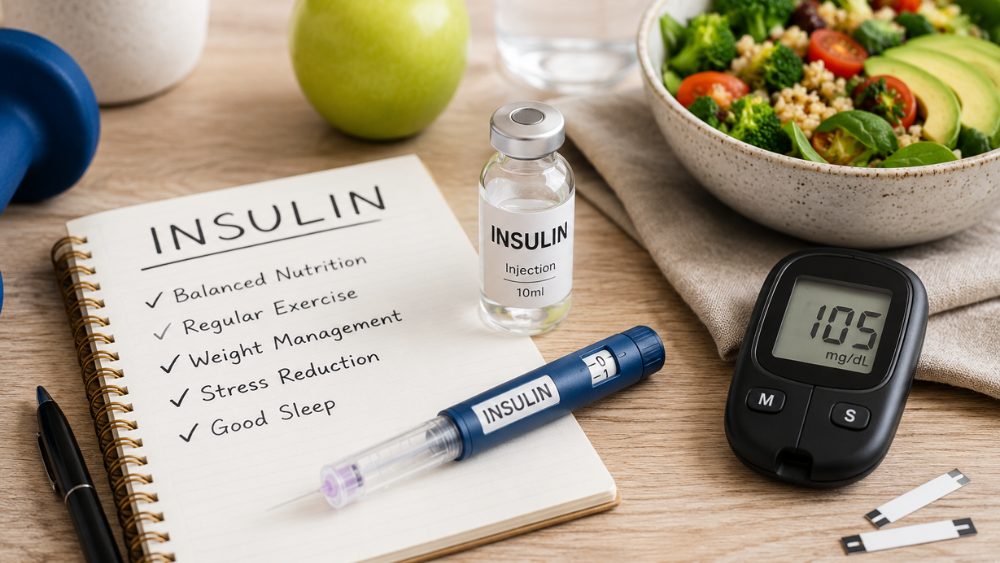
Insulin resistance is becoming increasingly common and is closely linked to modern lifestyle habits such as poor diet, lack of exercise, excess weight, and stress. Left unmanaged, it can eventually lead to prediabetes and type 2 diabetes. The good news? Early lifestyle changes can make a significant difference.
What Is Insulin Resistance?
Insulin is a hormone produced by the pancreas that helps move glucose (sugar) from the bloodstream into the body’s cells to be used for energy.
When someone has insulin resistance, the body’s cells no longer respond properly to insulin. As a result, the pancreas produces more insulin to try and keep blood sugar levels normal. Over time, the body may struggle to keep up, causing blood sugar levels to rise.
If not managed early, insulin resistance can progress to prediabetes and eventually type 2 diabetes.
Common Symptoms of Insulin Resistance
Many people may not notice symptoms in the early stages. As insulin resistance progresses, the following signs may develop:
- Constant tiredness or low energy
- Increased thirst
- Frequent urination
- Blurry vision
- Difficulty losing weight
- Increased hunger or sugar cravings
Certain physical signs may also appear, including:
- Darkened patches of skin around the neck, underarms, or groin
- Small skin tags
- Excess abdominal weight
- High blood pressure
- Hormonal imbalances such as excessive facial hair growth or hair thinning
What Causes Insulin Resistance?
While there is no single cause, insulin resistance is strongly linked to:
- Excess body weight, especially around the waist
- Lack of physical activity
- Diets high in refined carbohydrates, processed foods, sugary drinks, and unhealthy fats
- Smoking
- Poor sleep quality
- Chronic stress
- Family history of diabetes
- Certain medical conditions such as PCOS
Modern sedentary lifestyles play a major role in disrupting how the body responds to insulin.
How Is Insulin Resistance Tested?
Healthcare professionals may recommend blood tests if you have symptoms or risk factors for insulin resistance or diabetes.
Common tests include:
Hemoglobin A1c (HbA1c)
Measures average blood sugar levels over the past 2–3 months.
Fasting Plasma Glucose (FPG)
Measures blood sugar after fasting for at least 8 hours.
Oral Glucose Tolerance Test (OGTT)
Checks how the body responds to a sugary drink over a 2-hour period.
Random Blood Glucose Test
Measures blood sugar at any time of the day.
These tests help identify whether someone has normal blood sugar levels, prediabetes, or diabetes.
Best Diet for Insulin Resistance
There is no “one-size-fits-all” diet, but healthy eating patterns can significantly improve insulin sensitivity.
A balanced eating plan should focus on:
- Fresh vegetables and fruit
- Whole grains
- Lean proteins
- Healthy fats such as olive oil, nuts, and seeds
- Legumes and high-fibre foods
- Plenty of water
Try to limit:
- Sugary drinks
- Processed snacks
- Fast foods
- Refined carbohydrates
- Excessive sweets and desserts
The Mediterranean-style diet is often recommended because it focuses on whole, nutrient-rich foods and healthy fats.
Lifestyle Changes That Help Reverse Insulin Resistance
1. Increase Physical Activity
Regular exercise helps the body use insulin more effectively and improves blood sugar control.
Aim for at least 150 minutes of moderate exercise per week. Activities may include:
- Walking
- Cycling
- Swimming
- Strength training
- Gardening or household activities
2. Lose Excess Weight
Even a small weight loss of 5–7% of body weight can improve insulin sensitivity and reduce diabetes risk.
3. Improve Sleep
Poor sleep and sleep disorders may worsen insulin resistance. Prioritise consistent, quality sleep.
4. Reduce Stress
Chronic stress affects hormone balance and blood sugar levels. Stress management techniques such as meditation, deep breathing, yoga, or regular relaxation can help.
5. Stop Smoking
Smoking is associated with increased insulin resistance and a higher risk of cardiovascular disease.
Can Medication Help?
In some cases, healthcare providers may prescribe medication such as metformin to help improve insulin sensitivity and blood sugar control, especially in people with prediabetes, obesity, or PCOS.
Always consult your healthcare provider before starting any medication or treatment plan.
Why Early Management Matters
Untreated insulin resistance may lead to long-term health complications, including:
- Type 2 diabetes
- Heart disease
- Stroke
- Kidney damage
- Nerve damage
- Vision problems
- Poor circulation and foot complications
Early intervention through healthy lifestyle habits can greatly reduce these risks.
Final Thoughts
Insulin resistance often develops quietly, but early lifestyle changes can make a powerful difference. Eating balanced meals, staying active, improving sleep, and maintaining a healthy weight are some of the most effective ways to support healthy blood sugar levels and overall wellness.
If you suspect you may have insulin resistance or are experiencing symptoms, speak to your healthcare provider about appropriate testing and personalised treatment options.