
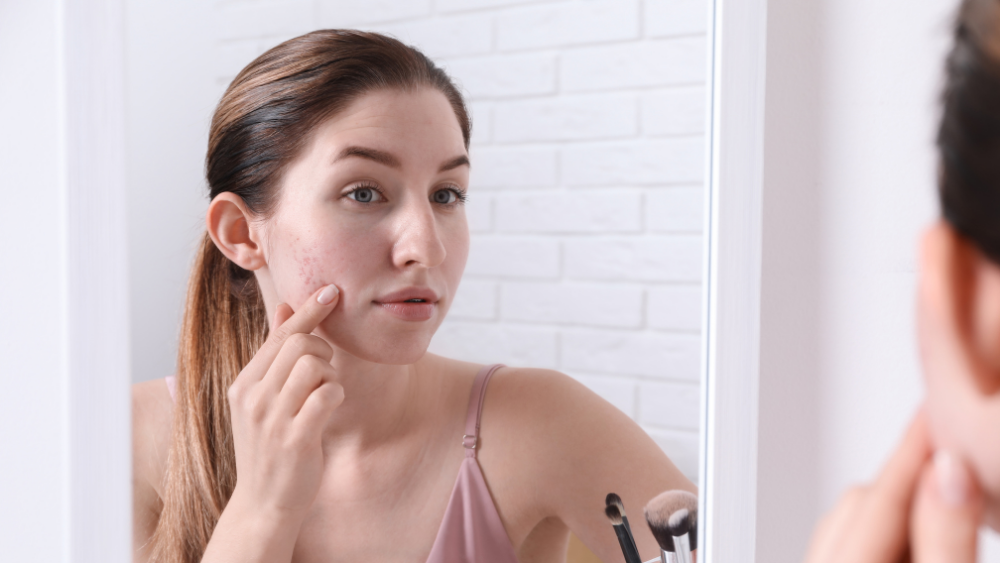
If you’ve dealt with acne before, you know the frustration doesn’t always end when the pimples clear. Acne scars can linger for months—or even years—serving as an unwanted reminder of past breakouts. The encouraging news? Once you understand why acne scars form, it becomes much easier to manage and treat them effectively.
Acne scars aren’t all the same. Different types form for different reasons, and each requires its own approach. Let’s unpack it.
The Main Types of Acne Scars
1. Atrophic Scars
These are the most common acne scars and appear as indentations in the skin caused by a loss of tissue during healing.
- Ice Pick Scars: Deep, narrow marks that look like tiny punctures.
- Boxcar Scars: Wider depressions with sharp edges.
- Rolling Scars: Soft, uneven dips that give the skin a wavy texture.
2. Hypertrophic Scars
These scars are raised and form when the skin produces too much collagen while healing. They sit above the skin’s surface and are more common on the chest, back, and jawline.
3. Post-Inflammatory Hyperpigmentation (PIH)
Although not true scarring, PIH shows up as dark marks left behind after a breakout heals. These spots can fade over time but often feel just as persistent as scars.
Knowing which type of mark you’re dealing with is the first step toward choosing the right solution.
Why Do Acne Scars Form?
Several factors play a role in whether acne leaves a lasting mark:
1. Inflammation
Severe or long-lasting inflammation damages the skin’s structure. The deeper and more inflamed a breakout is, the higher the chance it will heal unevenly.
2. Picking or Popping
As tempting as it may be, squeezing pimples interferes with the skin’s natural healing process. This can lead to infection, increased inflammation, and permanent marks.
3. Genetics
Some skin types naturally heal better than others. Your genetic makeup can influence how your skin responds to acne and whether scarring occurs.
Operation Fade Away: How to Improve the Look of Acne Scars
Healing acne scars takes time, commitment, and the right skincare routine. These ingredients are known to support smoother, more even-looking skin:
Vitamin C
Why it helps: Brightens uneven tone, supports collagen production, and improves overall skin clarity.
How to use it: Apply a Vitamin C serum after cleansing and before moisturizing.
Extra tip: Always use it alongside sunscreen for best results.
Niacinamide
Why it helps: Calms redness, improves skin texture, and helps balance uneven pigmentation.
How to use it: Use daily in a serum or moisturizer to support skin repair.
Extra tip: Works well with hydrating ingredients like hyaluronic acid.
Sun Protection (SPF)
Why it helps: Prevents dark marks from becoming more noticeable and protects healing skin from UV damage.
How to use it: Apply a broad-spectrum SPF 30 or higher every morning and reapply during the day.
Extra tip: Antioxidant-rich sunscreens provide added skin defense.