
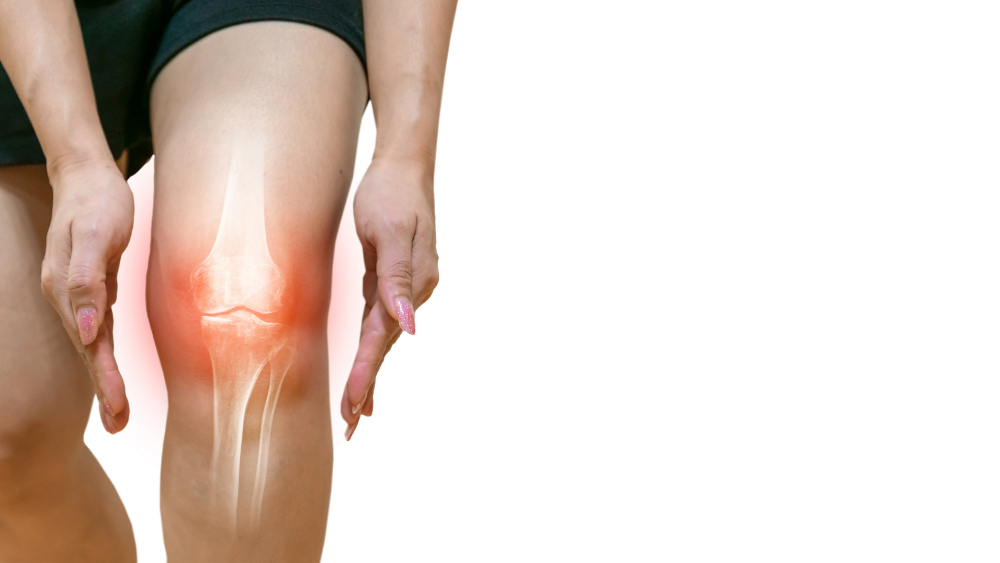
Gout is a type of arthritis caused by excess uric acid forming crystals inside the joints.
It often appears suddenly, causing severe pain, swelling, and redness—most commonly in the big toe.
Healthy lifestyle habits such as balanced nutrition, regular movement, and weight management play a key role in reducing flare-ups.
Gout is a form of inflammatory arthritis that develops when too much uric acid accumulates in the body. This buildup can trigger sudden and intense joint pain, frequently starting in the big toe. Early awareness and proper management are essential to limit discomfort and prevent long-term joint damage.
Early Signs and Symptoms of Gout
A gout flare can appear without warning and may be extremely painful. Common symptoms include:
- Sharp, intense joint pain that often begins overnight
- Swelling in the affected area
- Red or shiny skin around the joint
- A warm or hot sensation
- Extreme tenderness, even to light touch
Although gout can affect various joints, it most often occurs in:
- The big toe
- Ankles
- Knees
- Smaller toes
- Fingers
What Does Gout Pain Feel Like?
Gout pain is typically severe and sudden. Many people describe it as throbbing, burning, or unbearable. The affected joint usually becomes swollen, warm, and sensitive.
Gout can also be unpredictable. A flare-up may last several days or even a few weeks, and once it resolves, another episode may not occur for months or years.
What Causes Gout?
Gout develops when uric acid levels in the blood become too high—a condition called hyperuricemia. Uric acid is produced when the body breaks down purines, substances found naturally in the body and in certain foods.
When uric acid builds up, it can form sharp, crystal-like deposits that settle in joints and surrounding tissues. These crystals trigger inflammation, leading to pain, swelling, and stiffness.
Who Is More Likely to Develop Gout?
While gout can affect anyone, certain factors increase the risk:
- Diets high in purine-rich foods
- Excess body weight
- High blood pressure, diabetes, or heart conditions
- Psoriasis
- Regular alcohol consumption
- High intake of sugary or fructose-rich foods and drinks
- Use of certain medications, such as water tablets
- Family history of gout
- Men over the age of 40
Why Does Gout Often Start in the Big Toe?
Uric acid crystals tend to form more easily in cooler areas of the body. Since the feet are farthest from the heart and often cooler than other joints, the big toe becomes a common target for gout attacks.
How Is Gout Diagnosed?
Gout is usually diagnosed during an active flare. A healthcare provider will assess symptoms, review medical history, and examine the affected joint. In some cases, fluid may be drawn from the joint to confirm the presence of uric acid crystals.
The Role of Diet in Managing Gout
Traditional advice often focused on avoiding high-purine foods entirely. Today, a more balanced and sustainable approach is recommended.
Anti-inflammatory eating patterns such as the Mediterranean or DASH-style diets may help support healthy uric acid levels while also addressing related conditions like high blood pressure, diabetes, and obesity.
These eating styles generally include:
- Plenty of fruits and vegetables
- Whole grains
- Plant-based proteins
- Fish
- Healthy fats such as olive oil
- Low-fat dairy options
While diet alone may not replace medication for gout, it plays an important supportive role in prevention and overall health.
Treatment Options for Gout
Treatment depends on how often flare-ups occur and how severe they are.
Medication
Common medical approaches include:
- Anti-inflammatory pain relievers to reduce swelling and discomfort during an attack
- Prescription anti-inflammatory medicines taken early in a flare
- Corticosteroids in certain cases for rapid inflammation control
For people who experience frequent gout attacks, long-term medication may be prescribed to lower uric acid levels and prevent future flare-ups.
Home Care and Lifestyle Support
During a gout flare, resting the joint and applying ice may help ease discomfort. However, long-term management focuses on prevention:
- Maintain a balanced, anti-inflammatory diet
- Stay physically active
- Achieve and maintain a healthy body weight
- Limit alcohol intake
- Stay well hydrated
Possible Complications if Gout Is Left Untreated
Repeated or long-lasting gout attacks can lead to chronic joint damage, known as gouty arthritis. Over time, this can reduce mobility and cause lasting pain.
Hard uric acid deposits, called tophi, may also form around joints and tissues. In severe cases, medical procedures or surgery may be required to restore function or relieve discomfort.
Managing and Preventing Gout Flare-Ups
Certain foods and habits may trigger gout attacks. Common triggers include:
- Red and organ meats
- Certain seafood
- Alcohol
- Sugary foods and drinks
Stress can also worsen symptoms. Managing stress through gentle exercise, relaxation techniques, and adequate rest may help reduce flare frequency.
What to Do During a Sudden Gout Attack
If a flare occurs:
- Rest the affected joint
- Apply ice for short periods
- Stay hydrated
- Avoid alcohol
- Reduce pressure on the joint by limiting movement
- Seek medical advice if pain is severe or persistent
Can Gout Be Cured?
While gout cannot be permanently cured, it can be effectively controlled. With proper treatment, many people experience long periods without flare-ups and maintain healthy uric acid levels.
Working closely with a knowledgeable healthcare provider is the most effective way to reach remission and protect joint health.
Living Well With Gout
Living with gout doesn’t mean giving up a healthy, active life. A nutritious diet, regular physical activity, and consistent medical care can greatly improve quality of life.
Aim for regular movement, balanced meals, and ongoing health check-ins to reduce flare-ups and support overall well-being.
Although gout attacks can be extremely painful, they are often temporary. With the right management plan, most people can significantly reduce flare-ups and protect their joints long-term.
If you experience sudden joint pain or suspect gout, consult a healthcare professional for guidance and support.